
Classrooms and offices are moving away from rigid setups and becoming flexible spaces that make it easier to learn, collaborate, and work together. A well-designed learning space supports concentration, creativity, and collaboration.
Whether you’re an educator, a facilities manager, or part of an organization looking to improve your learning environment, understanding the value of learning pods will help you make more informed choices.
Key highlights
- Flexible learning spaces feature adaptable furniture, layouts, and integrated technology to support various teaching methods, foster autonomy, and create more comfortable learning experiences.
- A good learning space is soundproof, accessible to all learners, integrates seamless technology, and promotes overall well-being through natural light, good air quality, and calming aesthetics.
- Soundproof learning pods are a practical and scalable solution for institutions facing challenges with noise, limited space, or diverse learning needs.
Discover all Framery smart pods
Smart. Soundproof. And packed with technology to improve your workday.
Flexible learning spaces
Flexible learning spaces are designed to support the needs of different learners. With movable furniture, adaptable layouts, and built-in technology, they can easily adjust to a variety of teaching styles, create more comfortable environments and encourage greater learner independence.
Key characteristics of a flexible learning space include:
- Different learning zones. A flexible learning space is divided into distinct areas that support different learning activities, including collaborative group work tables, quiet individual focus zones, and designated areas for teacher-led sessions.
- Adaptable furniture. Adjustable tables and chairs contribute to a healthy learning environment where students can move, sit or stand to promote active learning. Pods and modular structures play a crucial role here, as they enable schools and organizations to create study spaces that can evolve over time.
- Technology integration. Flexible learning spaces are designed to seamlessly integrate various digital tools, such as laptops, tablets, and mobile devices. The integration of diverse learning tools facilitates various communication styles and caters to individual student learning preferences.
How to set up a good learning space?
Besides flexibility, a good learning space is a safe and supportive environment that minimizes distractions in students’ work. Several factors contribute to a good learning space:
- Acoustic comfort. Excessive noise is a significant distraction that can hinder focus and learning. Soundproofing materials in walls, ceilings, and floors, as well as the use of soundproof pods, are important for minimizing unwanted sounds.
- Accessibility. An accessible learning space is welcoming for all learners, regardless of their physical abilities or needs. This includes easy navigation within the space, providing comfortable furniture for individuals of different body types, and utilizing pods and rooms with universal access in mind.
- Built-in technical features. Seamless technology integration means providing reliable built-in power outlets for devices, adjustable lighting for digital work, and adequate ventilation to maintain a comfortable temperature when technology is in use.
- Well-being. Beyond just academics, a good learning space prioritizes students’ overall physical and mental well-being throughout the learning process. Incorporating plants and calming colors into the interior of the learning space can promote a sense of calm and focus.
When these elements come together, the result is not just a physical structure – it’s an environment that fosters meaningful engagement with learning.

What is a learning pod?
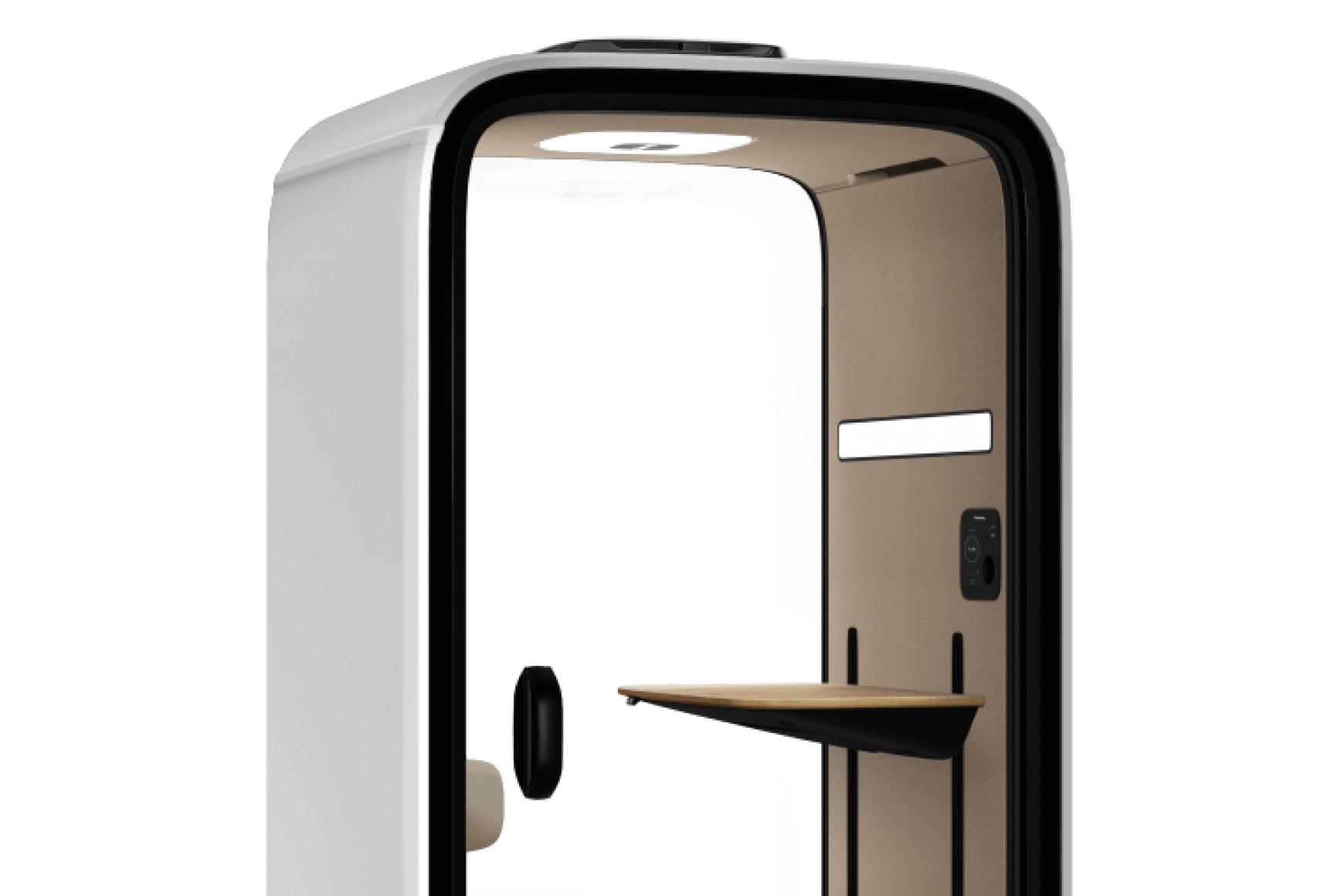
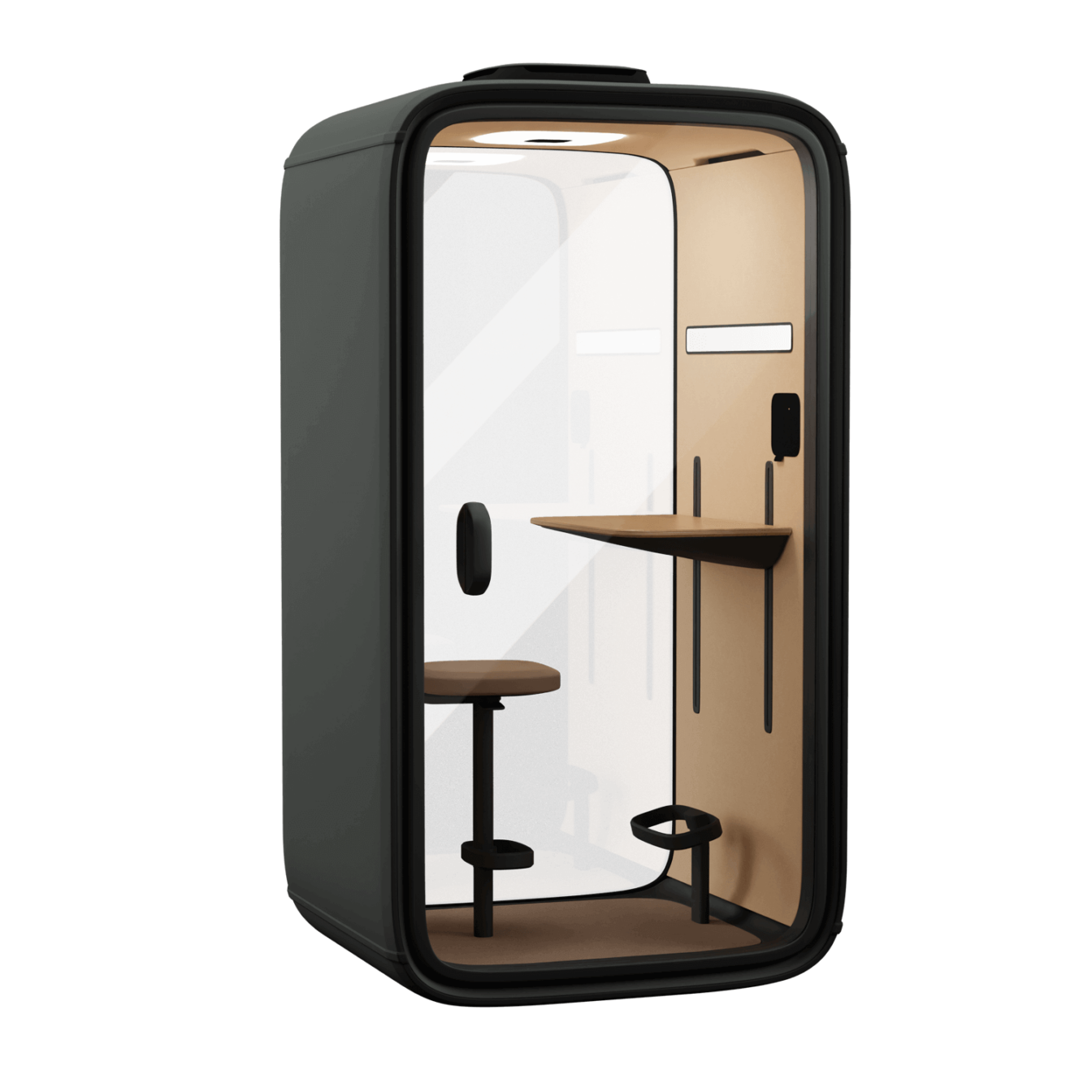
A learning pod is a self-contained, soundproof space designed for learning, tutoring, or collaboration. Unlike classrooms in traditional schools, learning pods are small and focused. They offer privacy, minimize distractions, and create a sense of ownership for those using them.
The soundproof Framery One is an excellent learning pod, supporting individual focus by significantly minimizing distractions with a 30 dB speech level reduction.
Learning pods provide students and teachers with options to study and learn at their own pace. For example, a pod can serve as a quiet corner for exam preparation or a safe environment for one-on-one teaching.

Learning pods in schools
The rise of learning pods in schools reflects a growing recognition that students learn in different ways. Some thrive in large group discussions, while others need quiet, structured environments to focus.
Schools are adopting pods to provide:
- Focused study areas where students can escape the noise of a busy classroom.
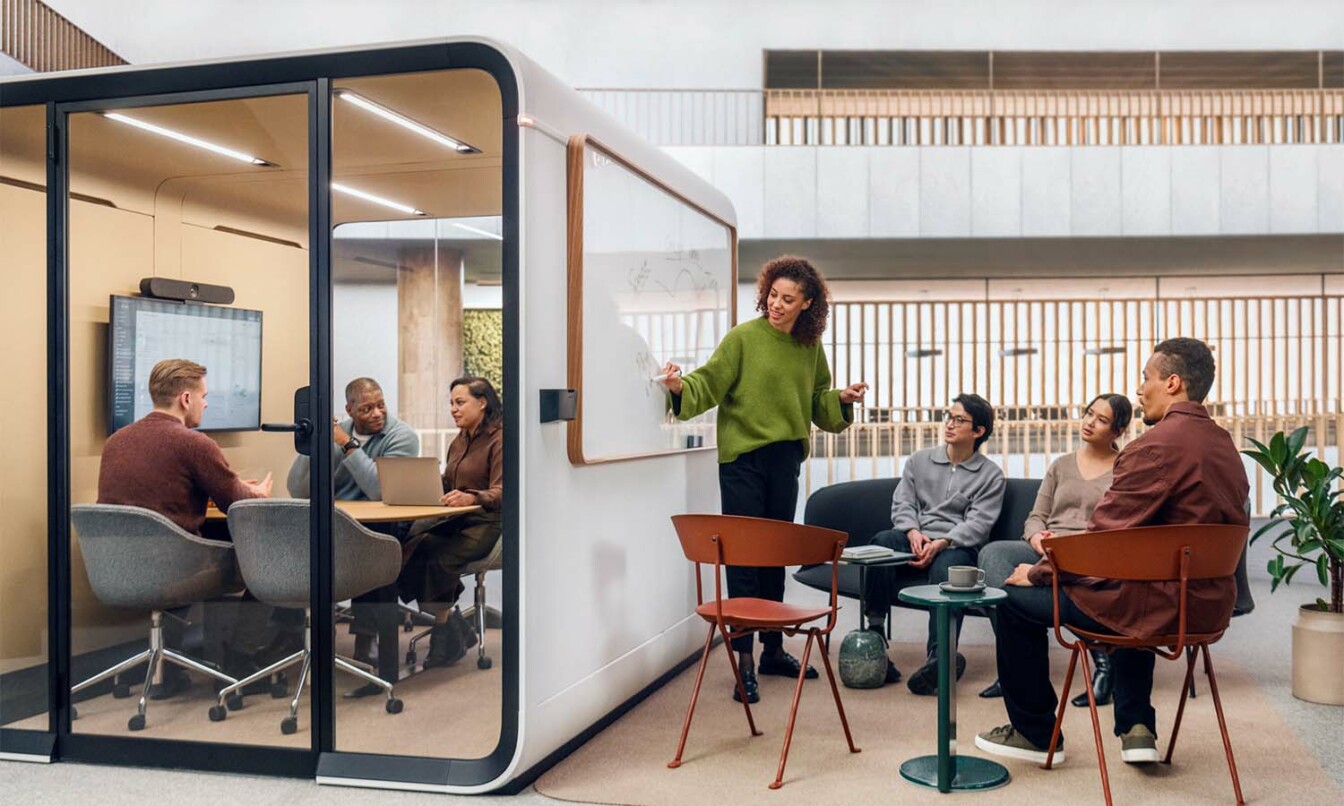
- Collaboration zones where small groups can work on projects without disturbing others.
- Designated teaching spaces where support staff can meet students individually.
Pods also help schools make better use of their current facilities. Instead of constructing new classrooms, pods can be added to available spaces, opening up new possibilities without the need for major renovations.
A custom Framery Four pod supports the learning and well-being of children with special needs at Puistokoulu, a special education school in Tampere, Finland.

Shared space for learning
Not all learning requires quiet isolation and individual work. A shared space for learning is where students or colleagues exchange ideas openly. In these environments, pods serve as balancing elements, providing quiet zones within a larger shared learning space.
For example, an open library with pods and collaborative furniture scattered around combines the best of both worlds—buzzing shared energy and private study opportunities.
Download the Framery pod placement guide to learn more about how to create optimal learning spaces in schools and offices.
Framery pod placement guide
Who should consider learning pods?
If your learning institution faces challenges with noise, limited space, or changing student needs, learning pods are a practical and scalable solution. Learning pods are a great fit for:
- Schools seeking cost-effective ways to modify their facilities.
- Universities that need flexible study environments for diverse student needs.
- Corporate offices supporting employee development and training programs.
- Libraries and community centers aiming to balance collaboration with quiet study needs.
Framery’s learning pods have already been incorporated into various educational settings, ranging from elementary schools to universities like Ohio State University and Baylor University. Explore our selection of soundproof learning pods, compare different alternatives and find the best fit for your learning needs.
FAQ about learning space and learning pods
Why are learning pods important?
Learning pods are important because they offer quiet, private environments that facilitate focus, study, and one-on-one teaching. They reduce distractions and help institutions utilize space more effectively.
Can learning pods replace classrooms?
No, pods are not a replacement for classrooms. Instead, they complement them. Pods add flexibility, offering dedicated areas for specific needs such as small-group projects or individual learning.
How do learning pods support teachers?
Pods enable teachers to work with students individually without disrupting the larger class. They can also serve as spaces for planning, virtual meetings, or mentoring sessions.
Are learning pods only for schools?
Not at all. While schools are a common use case, pods are also valuable in offices, libraries, and other settings where learning and focus are needed.
Published on
Explore more on this topic
-
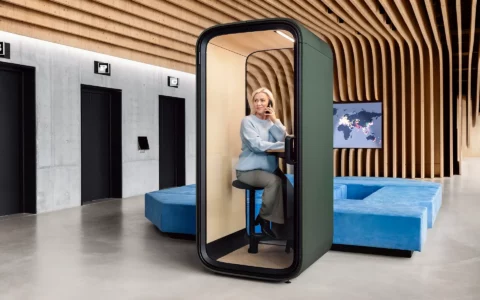
Supercell – Helsinki, Finland
Published on
-
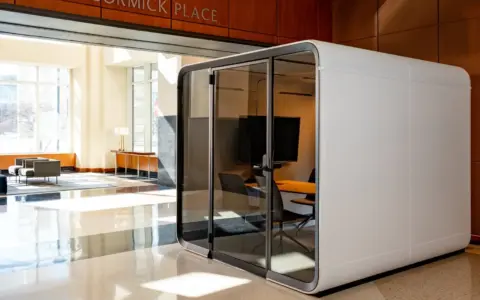
Hyatt Regency McCormick Place – Chicago, US
Published on
-
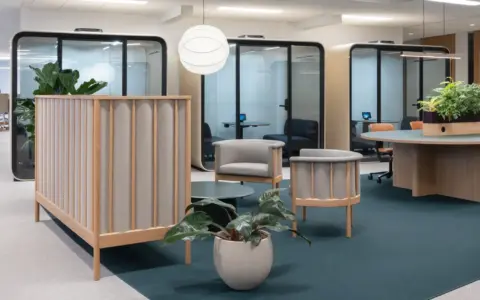
AbbVie – Stockholm, Sweden
Published on
-
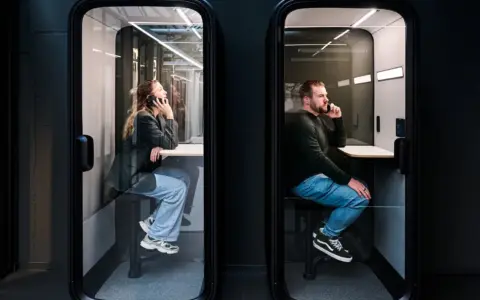
BRYCK – Essen, Germany
Published on
-

How and why businesses should shift to an agile work environment
Published on
-
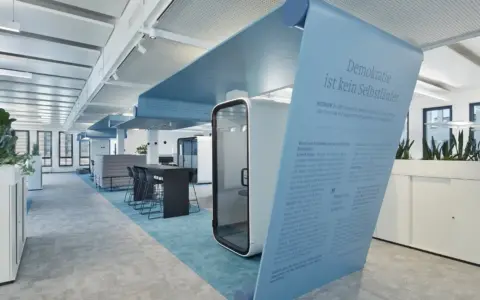
Verlag Nürnberger Presse – Nuremberg, Germany
Published on
-
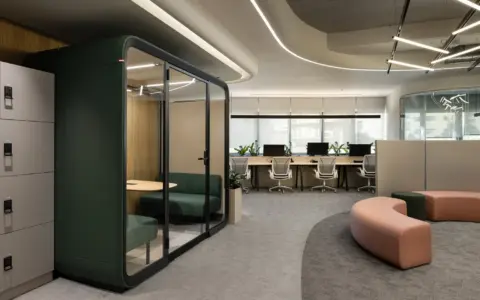
PwC – Athens, Greece
Published on
-

Telefónica Tech UK&I – London, UK
Published on
-

Henkel – Global
Published on
Get started today
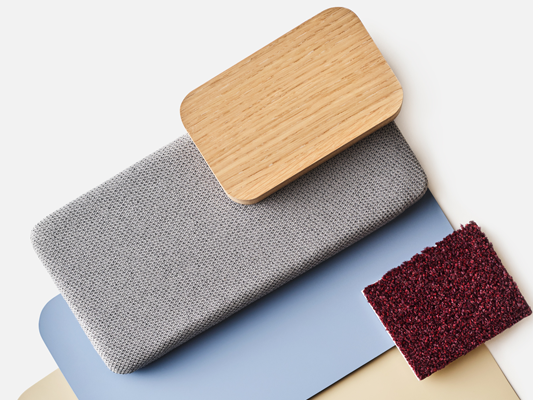
Design your own
Customize your pod and make it your own with our pod configurator.
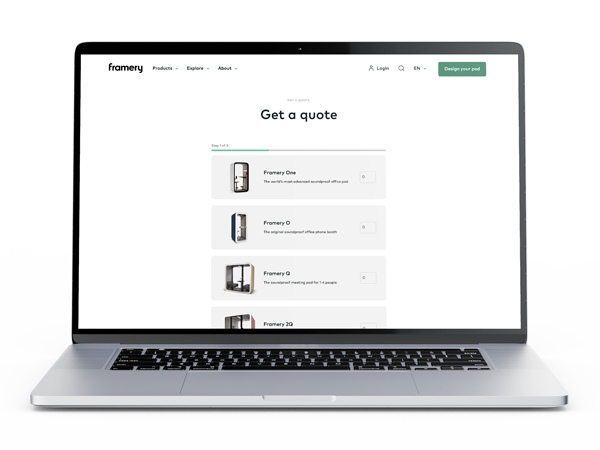
Get a quote
Find your nearest representative to hear about pricing and get a quote for your project.
Try a pod
Visit one of our global showrooms to try any of our Framery pods for yourself.