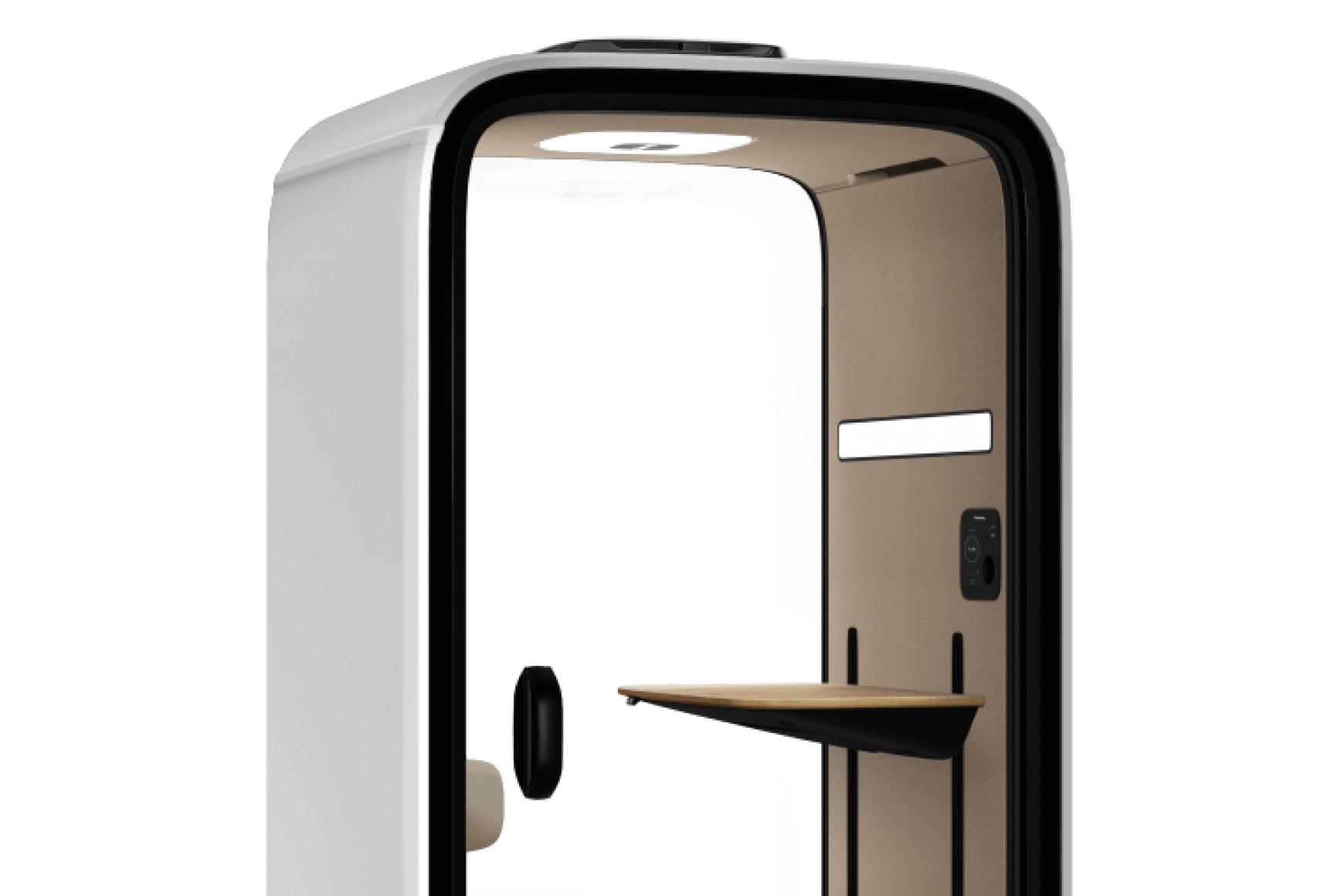

Building up a smart office enhances the work environment by improving the employee experience, increasing efficiency, and reducing operational costs. Smart offices lean on technology to create productive, adaptable, and healthy working spaces for employees and the business. It’s about creating an intelligent, responsive, and sustainable environment – an investment in a future-ready workplace.
Key highlights
- Smart technologies enhance the work environment by interconnecting systems and devices to collect and analyze data.
- Key benefits of a smart office include enhanced productivity, improved employee well-being and satisfaction, optimized space utilization, and increased flexibility.
- To design and implement smart office solutions, define your goals, choose the right technology, pilot the solution, and educate employees.
What is a smart office?
A smart office leverages technology to enhance efficiency, productivity, and employee well-being. It’s a dynamic environment where interconnected systems and devices collect and analyze data. This allows for automated processes, optimized resource allocation, and valuable insights into space utilization.
It’s about designing a workplace that understands and responds to the needs of its occupants. With smart solutions, you can create an intuitive and responsive workspace that supports diverse work styles and empowers your team.

Smart office design supporting employee well-being
People should always be placed at the forefront in a smart office design. Smart office interiors cultivate environments that facilitate focused work and promote overall well-being, prioritizing ergonomics and noise reduction. Adjustable workstations, acoustically optimized zones, and soundproof pods create an environment where employees can minimize distractions and find dedicated spaces for concentrated work.
Creating solutions to support employees’ well-being ultimately leads to higher satisfaction and productivity.
Smart office design for a productive workflow
A smart office design offers advantages for businesses of all sizes:
- Improved productivity: Easy access to resources and quiet workspaces enable employees to focus on high-value work. Intelligent systems can minimize disruptions and optimize workflows.
- Improved employee well-being and satisfaction: A comfortable, intuitive, and responsive environment contributes to employee satisfaction.
- Optimized space utilization: Data on how spaces are used allows you to make informed decisions about the office layout. Identifying underutilized areas and optimizing the smart office space helps reduce costs.
- Increased flexibility and agility: A smart office can adapt quickly to changing business needs and team structures, offering greater flexibility in how and where work gets done.

How to set up a smart office?
There are various factors to consider when planning a smart office space. Here’s a practical guide to transforming your traditional workspace into an intelligent environment.
1. Define your goals and needs
Understanding your specific pain points and objectives will guide your technology choices. For instance, if noise control and focus are key, incorporating soundproof pods becomes an important component of your smart office interiors.
2. Choose the right technologies
A wide array of technologies can contribute to building a smart office. Framery’s smart office solutions help you design a smart office with dedicated spaces for all user needs:
- Soundproof pods and booths: Integrating soundproof solutions allows for focused work, private calls, and meetings without disrupting the open-plan environment. These are essential for creating diverse work zones within a smart office space.
- Occupancy sensors: Sensors gather data on occupancy, session lengths, and
peak usage times, helping you to understand how spaces are used, and adapt to employee needs. - Integrated meeting room booking systems, scalable software, displays and apps: These systems simplify scheduling, prevent double bookings, and help your employees find available meeting spaces quickly.
- Workplace analytics and management platforms: These platforms consolidate data, providing an overview of office utilization and performance, and allowing for better resource management.

3. Design for flexibility and human-centricity
Remember, a smart office is for people. Design the space to be intuitive and easy to navigate. Consider the flow of work, different work styles, and the need for both collaborative and quiet zones. A smart office design should be adaptable, allowing for future changes and technological advancements.
4. Pilot and analyze
Analyze the data, gather feedback from employees, and make adjustments as needed. This approach allows you to refine your strategy and ensure the optimal use of your workspaces.
5. Educate and engage your employees
Technology adoption hinges on user acceptance. Educate your employees on how to use the new smart office features and explain the benefits. Encourage their feedback and involve them in the process. A successful smart office is embraced and utilized by its occupants.
Explore Framery room scheduling solutions
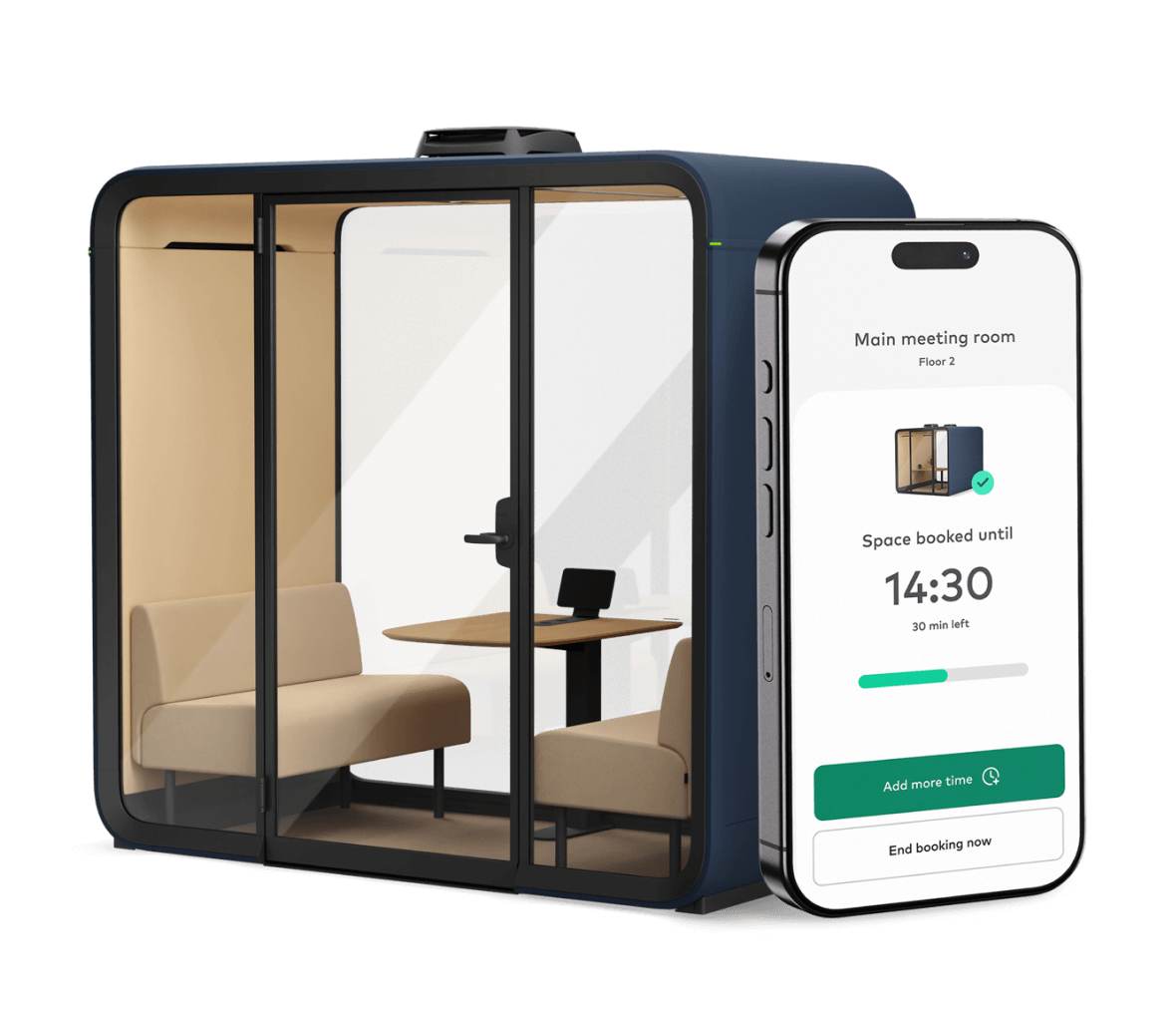
Framery’s smart office solution supports a functional workspace designed for people
By thoughtfully incorporating technology, you can create a workspace that is efficient, cost-effective, and a joy to work in. The ideal smart office interior combines modern technology with consideration for human needs, creating a space that supports both functionality and well-being.
Framery’s smart office solutions help you to design modern, flexible workspaces that are easily managed and optimized – not only boosting productivity but also significantly improving the employee experience.
FAQ about smart office solutions
What is a smart office?
A smart office is a workspace that leverages technology to enhance efficiency, productivity, and employee well-being. It integrates interconnected systems and devices to collect and analyze data, optimize resource allocation, and provide insights into space utilization.
Is a smart office suitable for all types of businesses?
Yes, smart office principles can be adapted for businesses of all sizes and types. While large corporations might implement comprehensive integrated systems, smaller companies can start with more focused solutions and gradually expand their smart office capabilities.
What is the role of data in a smart office?
Data is fundamental to a smart office. Occupancy sensors and other smart devices collect real-time data on how the office space is being used. This data is then analyzed to provide insights for optimizing space utilization, reducing operational costs, and making informed decisions about future office design and resource allocation.
Published on
Explore more on this topic
-
Supercell – Helsinki, Finland
Published on
-
devedis AG – Bern, Switzerland
Published on
-

GS1 – Budapest, Hungary
Published on
-

Datumstruct Solutions – Singapore
Published on
-

How Framery’s space booking tools are being used to improve the office experience
Published on
-

2night – Venice, Italy
Published on
-

Nordic Business Forum – Helsinki, Finland
Published on
-

Work pods help facilitate smooth coworking
Published on
-

Workplace management solutions for smarter use of office space
Published on
Get started today
Design your own
Customize your pod and make it your own with our pod configurator.

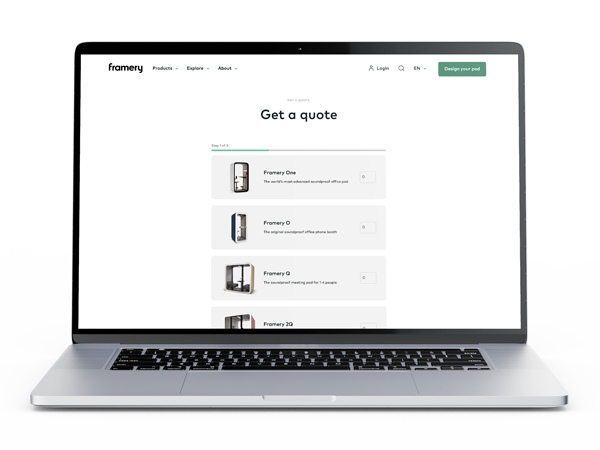
Get a quote
Find your nearest representative to hear about pricing and get a quote for your project.
Try a pod
Visit one of our global showrooms to try any of our Framery pods for yourself.